
Advancing Precision Medicine Through Smarter Statistics: Clinnova at SIS–FENStatS 2026
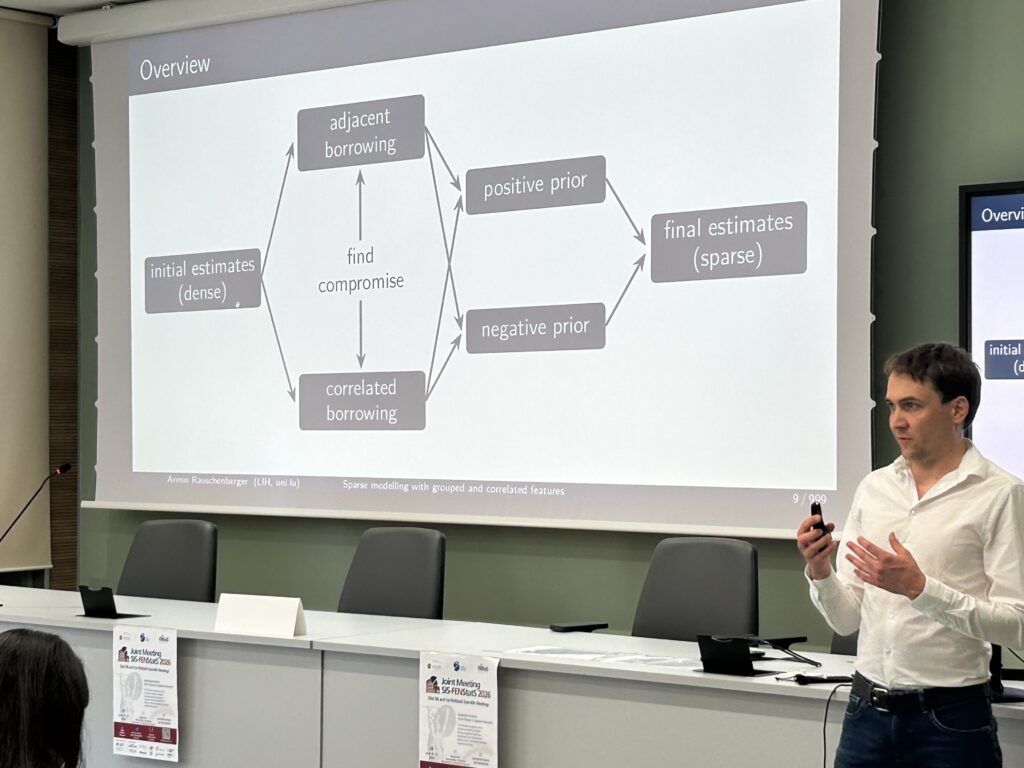
How can we make better use of complex health data to predict which treatments will work best for individual patients? This question was at the heart of Clinnova’s contribution to the SIS–FENStatS 2026 Joint Scientific Meeting, held from 22–25 June 2026 at Sapienza University in Rome.
The conference brought together statisticians, data scientists, and researchers from across Europe to explore the latest developments in statistical methodology, artificial intelligence, and their growing impact on biomedical research. Against this backdrop, Clinnova showcased innovative methodological research that supports one of the project’s core ambitions: transforming complex health data into meaningful clinical insights.
Representing the Luxembourg Institute of Health (LIH), Armin Rauschenberger, Biostatistician, presented his work on “Sparse modelling with grouped and correlated features allowing for privileged information.“ The research addresses a common challenge in precision medicine: how to build prediction models that remain both accurate and interpretable when analysing large numbers of interconnected biomarkers.
Rather than treating each biomarker independently, the proposed approach recognises the relationships that naturally exist between them. By exchanging information between related features, the method improves the prediction of treatment response while ensuring that the resulting models remain clinically meaningful. This is particularly relevant for longitudinal studies such as Clinnova, where information collected during patient follow-up can help unlock the predictive value of measurements taken at baseline.
Participants explored future research directions, including evaluating the robustness of the methodology under challenging data conditions and extending its application to causal feature selection. The meeting also opened new opportunities for collaboration, with discussions initiated around applying novel causal inference methods to Clinnova’s inflammatory bowel disease (IBD) data and exploring future joint methodological projects.
As Clinnova continues to build a federated ecosystem for digital medicine, statistical innovation remains a critical component of turning health data into actionable knowledge. By contributing to international scientific forums such as SIS–FENStatS, the consortium not only shares its latest advances but also strengthens collaborations that will help shape the future of trustworthy, data-driven healthcare.
Key Takeaways
– Showcased innovative statistical methods to improve prediction models for precision medicine.
-Demonstrated approaches that leverage relationships between complex biomarker data while maintaining model interpretability.
-Generated valuable scientific discussions on causal inference, feature selection and model robustness.
-Established new opportunities for methodological collaboration with leading European statistical researchers.
Unpaid helpers build stronger groups: Auxiliary features share information with primary features, but they will never be selected – Armin Rauschenberger
Related News
-
 05 Mar 2026
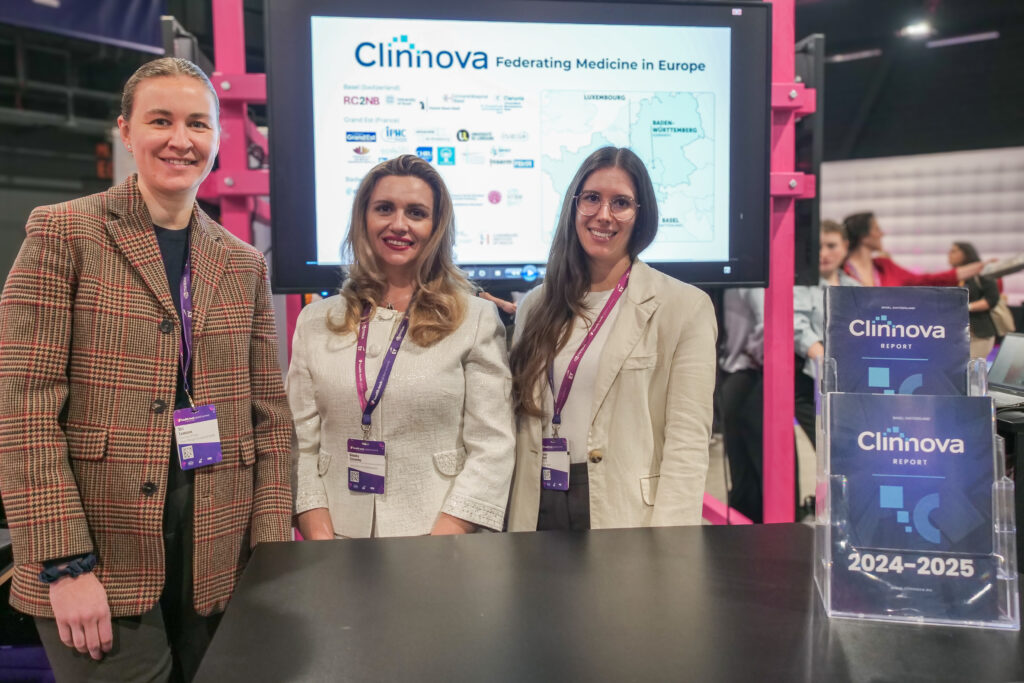
Clinnova at the HealthTech Global Summit 2026 in Basel
-
 14 Feb 2026
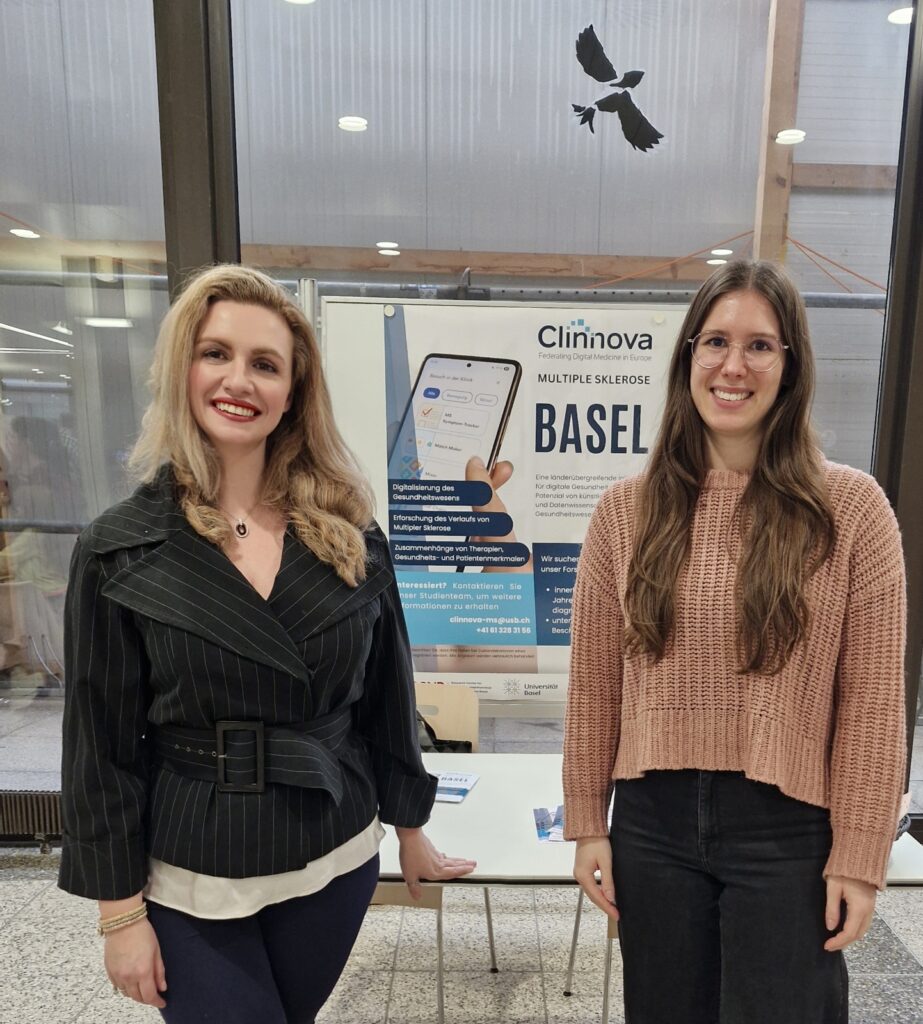
MS Information Day 2026, Basel
-
 10 Dec 2025
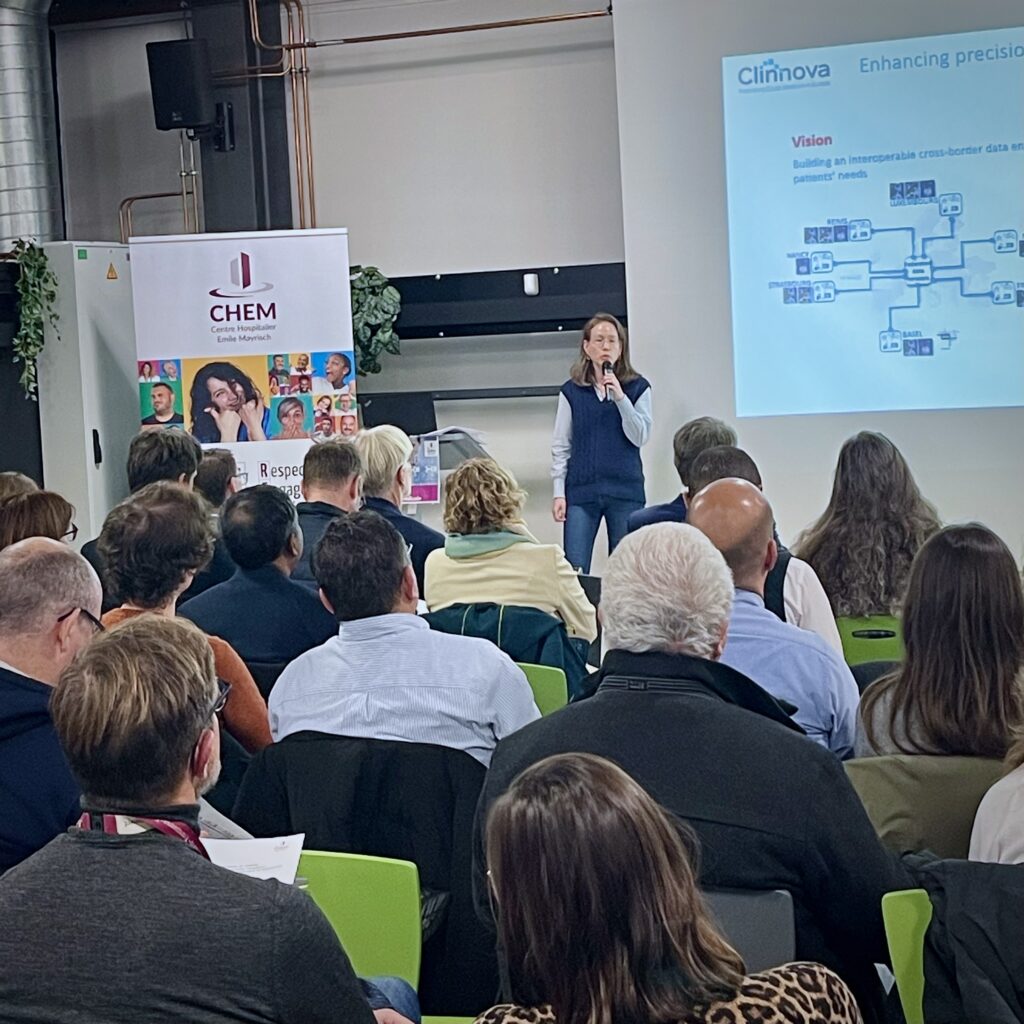
Strengthening Clinical–Research Dialogue Across Luxembourg Hospitals
-
 04 Nov 2025
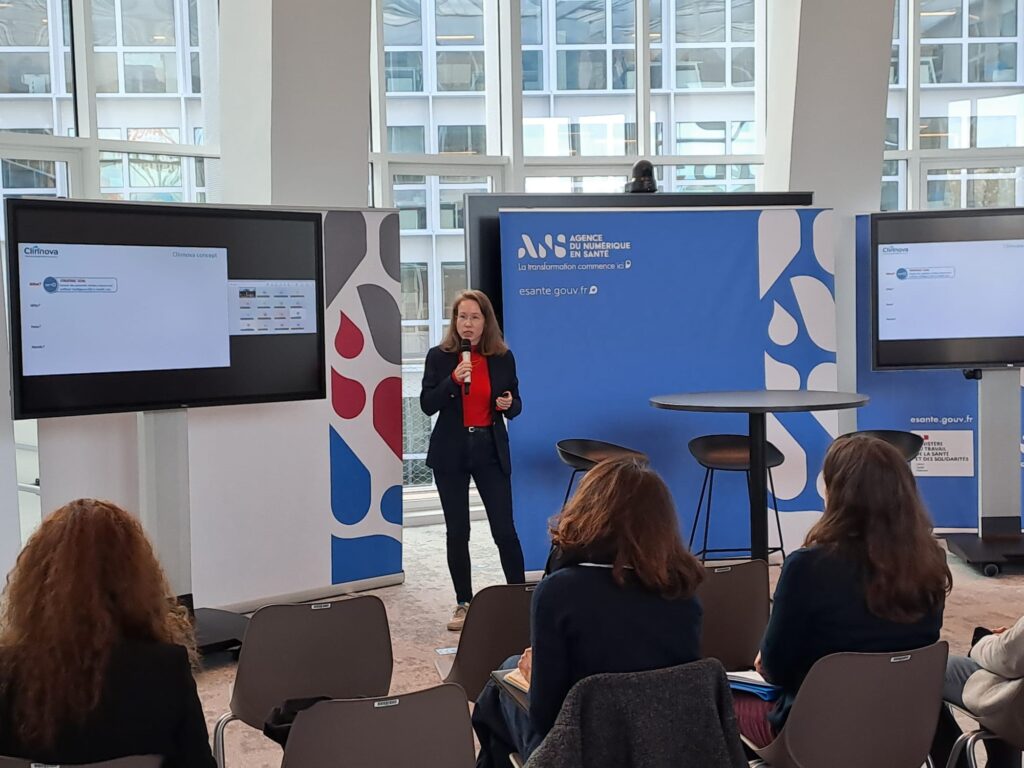
Clinnova Presented at EHDS Workshop on Data Discovery and Multi-Country Applications
-
 30 Oct 2025
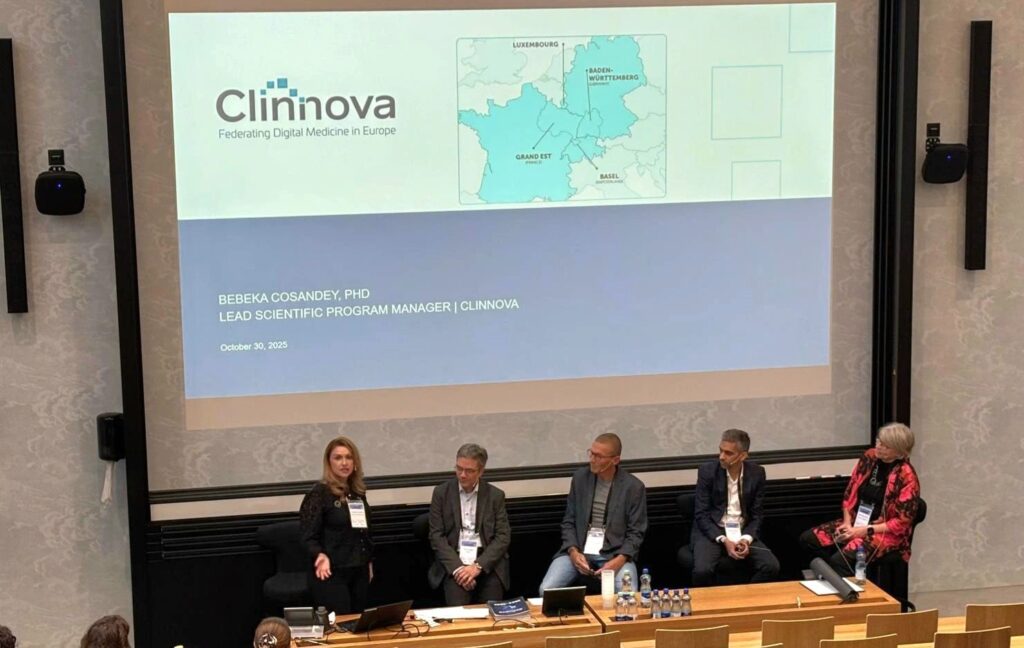
Personalized Health Series – Democratizing the Health Data Ecosystem: From Challenges to Solutions